Hepatic Transcriptomic Landscape of Chicken Reveals Host Responses to Spotty Liver Disease

Hepatic Transcriptomic Landscape of Chicken Reveals Host Responses to Spotty Liver Disease
Bommineni, V.; Edison, L. K.; Gottapu, C.; Butcher, G. D.; Kariyawasam, S.
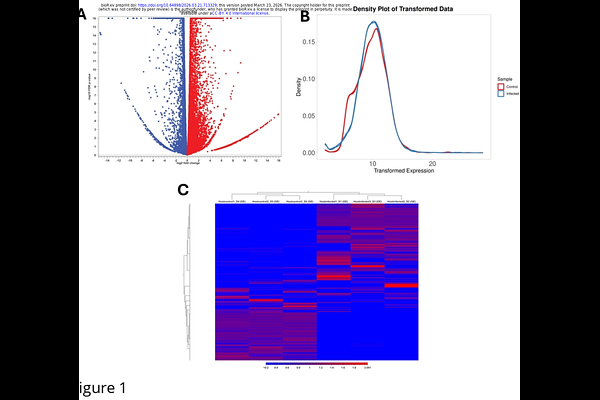
AbstractSpotty Liver Disease (SLD) is an acute bacterial infection of layer chickens in production, caused by Campylobacter hepaticus, and occurs most frequently in barn-housed and free-range systems. The disease is characterized by a sharp decline in egg production and increased mortality. The hallmark pathological feature is 1-2 mm white to grey necrotic foci distributed across the liver surface. Despite its growing economic impact on commercial poultry, the molecular mechanisms underlying host responses to C. hepaticus infection remain poorly understood. To address this gap, we performed a comprehensive transcriptome analysis of liver tissue from chickens naturally infected with SLD compared to uninfected controls. High-throughput transcriptome sequencing, yielding 9,277 differentially expressed genes (DEG), of which 3,063 were upregulated and 6,214 were downregulated. Functional pathway enrichment analysis revealed significant alterations in immune and metabolic processes associated with SLD pathophysiology. Infected chickens exhibited significant activation of immune response pathways, particularly cytokine-cytokine receptor interactions involving interleukins IL-22, IL-21, and IL-6, along with enhanced cell signaling, and cell adhesion. Among the individual genes, C1QTNF1 and the adhesion molecule gene ADGRD1 were notably overexpressed, indicating enhanced inflammatory activity. In contrast, core hepatic metabolic functions were profoundly reduced, as evidenced by downregulation of oxidative phosphorylation, fatty acid metabolism, iron ion binding, and heme binding pathways. A marked increase in serum amyloid A gene (SAA) expression further confirmed robust acute-phase responses and compromised liver function during infection. Together, these findings demonstrate a complex interplay between inflammatory activation and metabolic dysregulation during SLD. The strong upregulation of acute-phase proteins and pro-inflammatory cytokines demonstrates the hosts vigorous attempt to combat bacterial infection, whereas the concurrent suppression of essential metabolic pathways reflects the pathological consequences of SLD. This study provides a transcriptomic characterization of host responses to C. hepaticus infection, offering insights into SLD pathogenesis and potential avenues for targeted intervention.