Schizophrenia-associated DNA methylation differences in the cortex are neuron-specific

Schizophrenia-associated DNA methylation differences in the cortex are neuron-specific
Hannon, E.; Walker, E. M.; Chioza, B.; Burrage, J.; Blake, G. E. T.; Sharp, M.; Babtie, A.; Frith, M.; Clifton, N. E.; Schalkwyk, L. C.; Dempster, E.; Mill, J.
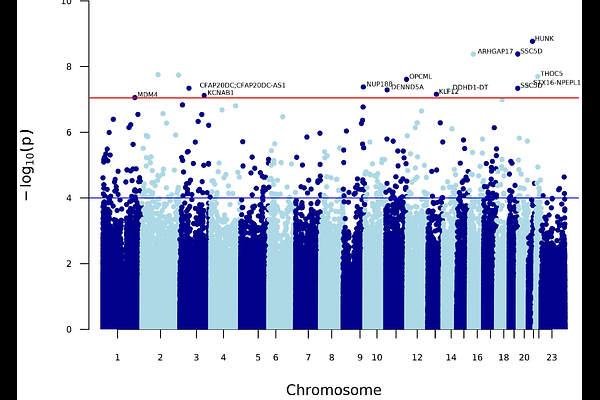
AbstractSchizophrenia is a complex neuropsychiatric disorder in which genetic risk is thought to converge on cell type-specific regulatory mechanisms in the brain. We performed a cell type-resolved epigenome-wide association study (EWAS) of schizophrenia using fluorescence-activated nuclei sorting (FANS) to isolate neuron-enriched (NeuN+), oligodendrocyte-enriched (SOX10+) and other glial-enriched (NeuN-/SOX10-) nuclei populations alongside total prefrontal cortex nuclei fractions from 216 donors (104 schizophrenia cases and 112 controls). We identified 16 differentially methylated positions (DMPs) in neuron-enriched nuclei at experiment-wide significance and more than 400 additional neuronal DMPs at a discovery threshold. In contrast, no significant associations were identified in oligodendrocyte-enriched, glial-enriched or total nuclei fractions, demonstrating that schizophrenia-associated cortical methylomic variation is highly neuron-specific and largely masked in bulk tissue analyses. Neuronal DMPs exhibited a significant bias towards hypomethylation in schizophrenia and were enriched at loci implicated by genetic studies, including CACNA1C, CACNA1G and TRIO. Pathway analyses implicated genes involved in neurodevelopment, cell adhesion, synapse organisation, neurotransmission and synaptic plasticity. Schizophrenia-associated DNA methylation signatures identified in prefrontal cortex neurons showed correlated effects in neuronal nuclei isolated from the hippocampus and striatum, indicating partial conservation of disease-associated epigenetic alterations across brain regions. Together, these findings provide strong evidence for widespread neuron-specific epigenetic dysregulation in schizophrenia and highlight the importance of cell type-resolved approaches for elucidating the molecular mechanisms underlying psychiatric disease.