The effect of ULV-based mosquito control on target and non-target organisms in Hungary: an experimental field study

The effect of ULV-based mosquito control on target and non-target organisms in Hungary: an experimental field study
Garamszegi, L.; Nagy, G.; Klein, A.; Szentivanyi, T.; Vasarhelyi, Z.; Marko, G.; Zsebok, S.; Soltesz, Z.
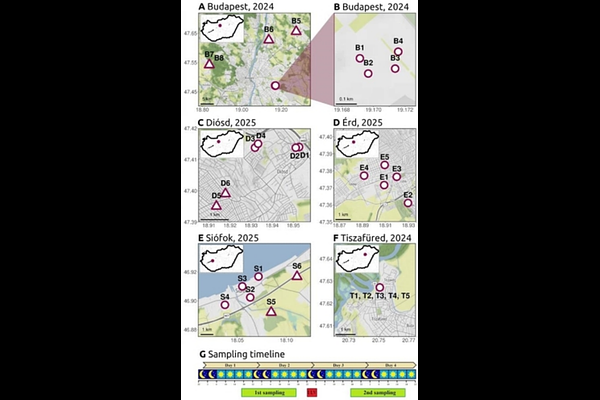
AbstractUltra-low volume (ULV) insecticide spraying with deltamethrin as the active ingredient is widely used in mosquito control programs, yet its effectiveness against target mosquitoes and its ecological side effects remain poorly quantified under field conditions in Central Europe. Here, we experimentally evaluated the short-term impact of ground ULV spraying on both mosquito populations and non-target flying insects in Hungary using a paired before-after-control-impact (BACI) design. Mosquitoes were sampled with BG Sentinel traps, while non-target insects were collected using malaise traps. ULV treatment resulted in a significant reduction in mosquito abundance at treated sites, with an average decline of approximately 45%. Native and invasive mosquito species, including Aedes albopictus and Aedes koreicus, showed similar proportional decreases. However, treatment effectiveness varied substantially among sites and was influenced by initial mosquito abundance and wind conditions. In parallel, malaise trap samples revealed a marked decline in non-target flying insects, with reductions exceeding 40% across multiple taxonomic groups, particularly among small- and medium-sized insects, and also when considering pollinator taxa together. Our results indicate that while ULV spraying can temporarily reduce mosquito abundance, it also imposes considerable short-term impacts on non-target insect communities, highlighting trade-offs between vector control and insect conservation within mosquito management programs.